❋
Community Group Meet for people living with Multiple Sclerosis
Supporting communities in rural towns and surrounding villages
Growing Connection: Starting a Community Group for People with MS in a Rural Area
Living with multiple sclerosis can feel especially isolating in rural towns and surrounding villages. Distances are greater, services are stretched, and opportunities to meet others with shared experiences can be limited.
Recently, alongside national conversations about NHS funding and a renewed focus on community-led support, an idea began to take shape locally: what if people with MS had a simple, welcoming space to connect with one another?
Not a clinical setting.
Not a support group in the traditional sense.
Just a place to meet, share, and feel less alone
From Idea to Invitation
Working as a volunteer alongside the NHS Social Prescriber Lead, a short questionnaire was created and shared via local GP practices with patients living with MS. The question was simple: Would you be interested in a local community group focused on connection, wellbeing, and shared experience.
The response was quietly encouraging.
Several people replied yes.
That was enough to begin.
The Aim of the Group
From the start, the group was shaped around a few clear intentions:
connection and shared understanding
practical ways to support health
space to share stories, ideas, and tips
gentle mutual support
wellbeing and positivity
no pressure, no fixing, no expectations
Most importantly, it wasn’t about fixing or advising — just being together.
A Gentle Note on Starting Something Similar
This group didn’t begin with a big plan or lots of resources. It began quietly, and grew step by step.
Some things that helped:
working alongside a social prescriber or community health link
asking a simple question to gauge interest before starting
keeping groups small and informal
choosing activities that are flexible, hands-on, and low pressure
allowing space for connection to happen naturally
letting the group shape itself over time
There’s no single right way to do this.
Starting small is more than enough
Looking Ahead
This group is still in its early days, but it has already shown how meaningful shared space can be. With continued support and collaboration, it has the potential to grow gently — shaped by the people who attend it.
Sometimes community begins with compost, paint, bread, and a cup of coffee.
And sometimes, that’s exactly what’s needed.
Session One: Something to Do With Our Hands
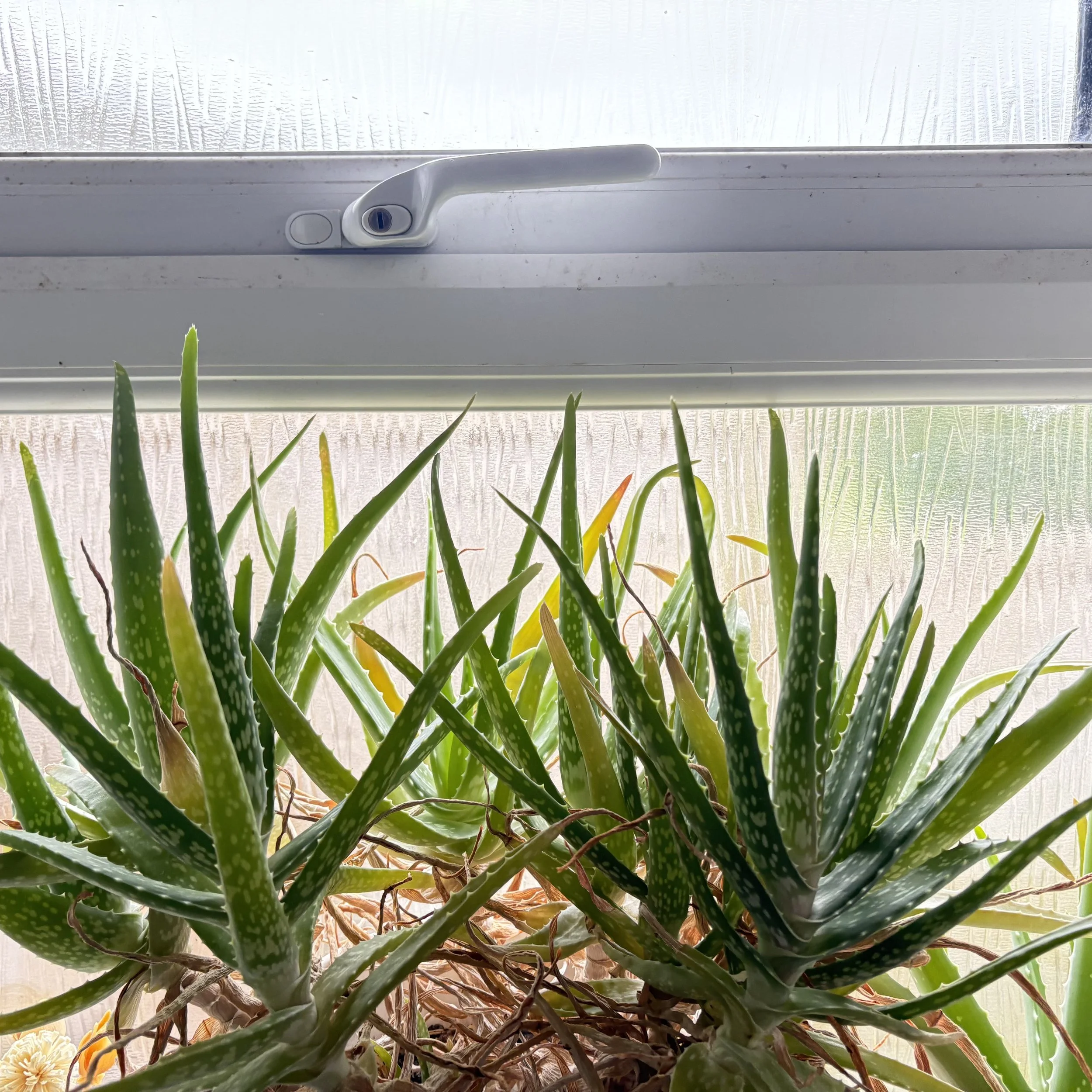
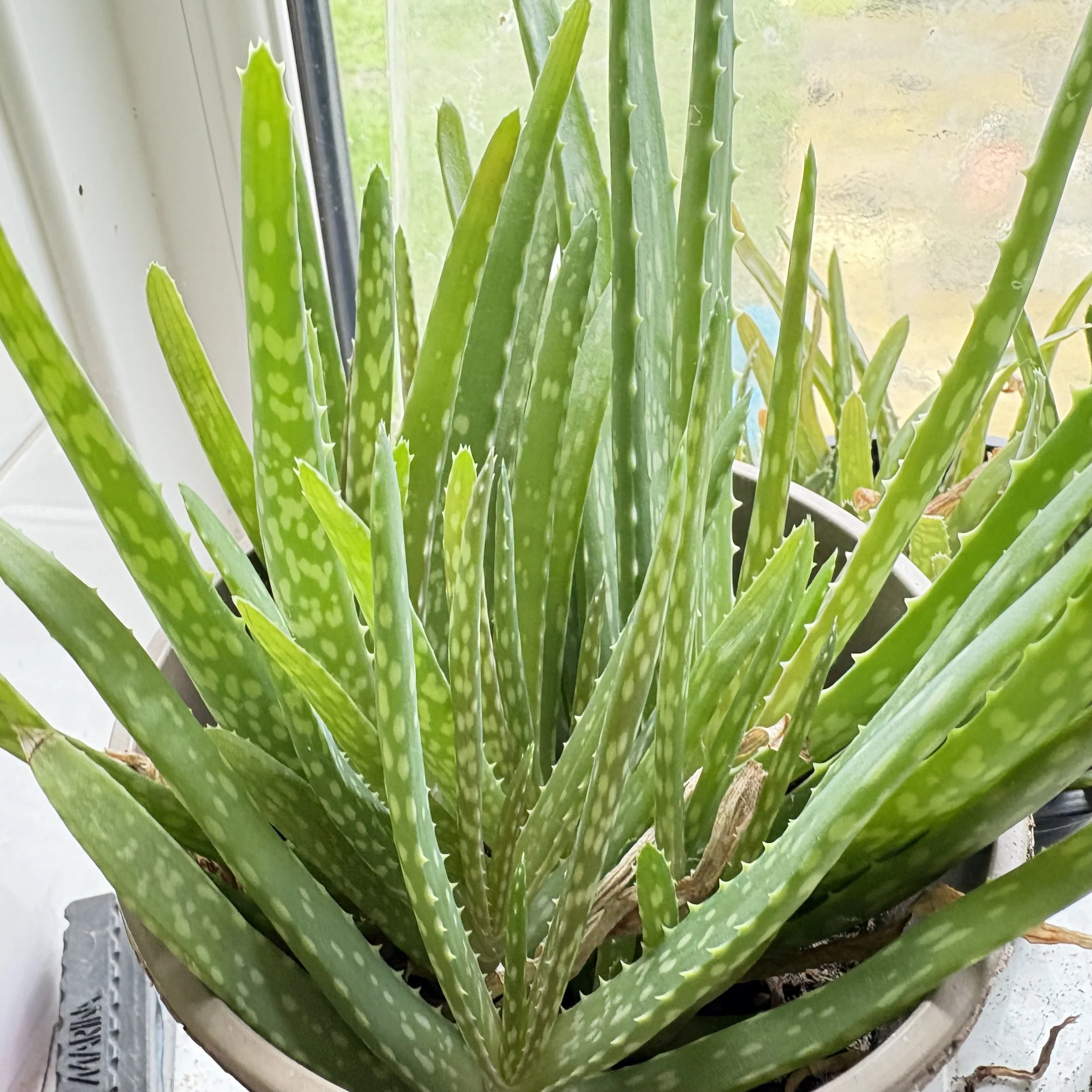
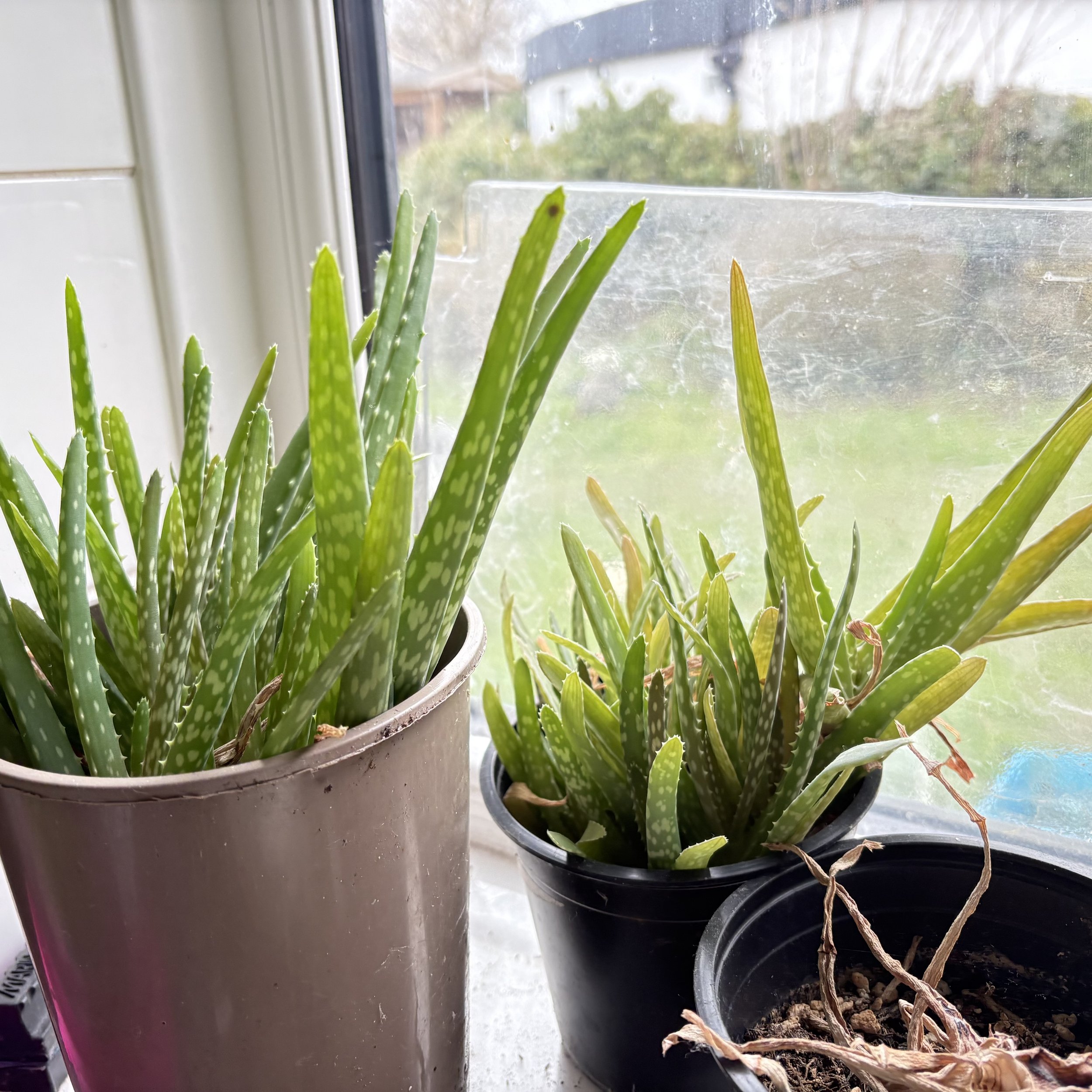
The first session was small and relaxed. Five people gathered around tarpaulin on the floor, compost, pots, and an overgrown aloe vera plant that needed dividing.
Together, everyone repotted aloe vera plants to take home. It was grounding, practical, and unexpectedly enjoyable. Doing something gentle and achievable with our hands created space for conversation without forcing it.
A local physiotherapist joined briefly to demonstrate how to use a walking cane effectively, offering practical support in an informal, accessible way.
By the end of the session:
a WhatsApp group had been set up
conversations were flowing more easily
and a few people chose to go for coffee together afterwards
Nothing dramatic — just connection quietly taking root.
Session Two: Creativity and Comfort
The second session leaned into creativity and ease.
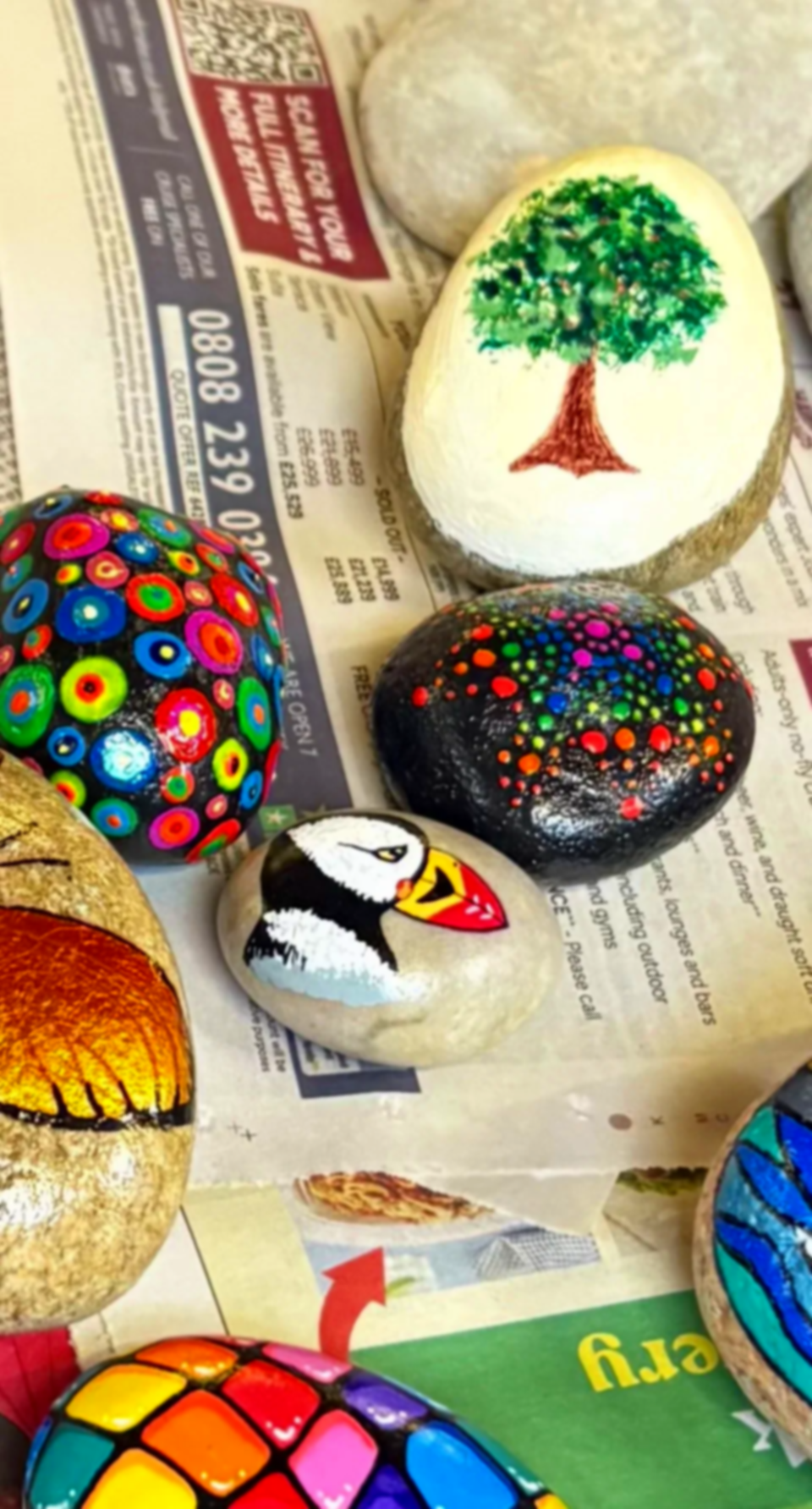
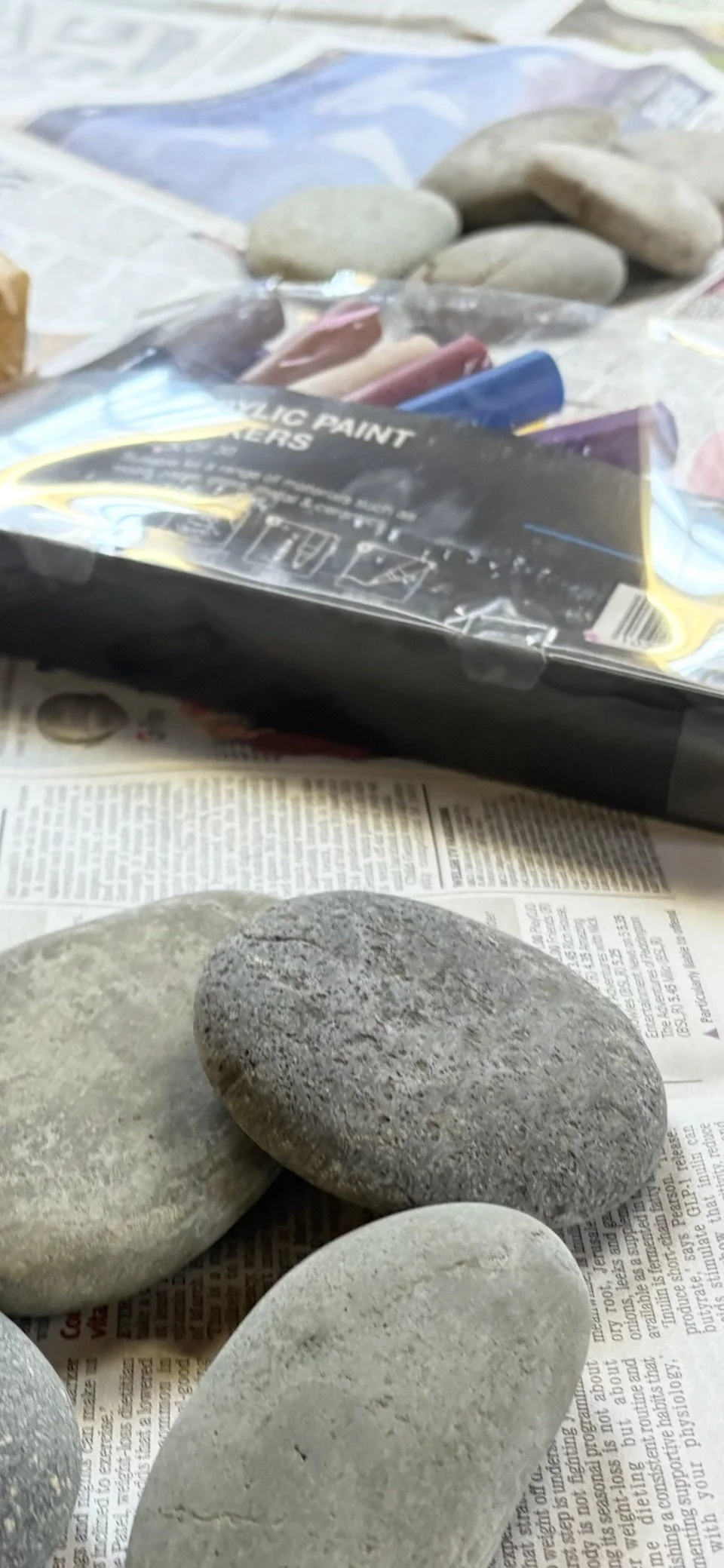
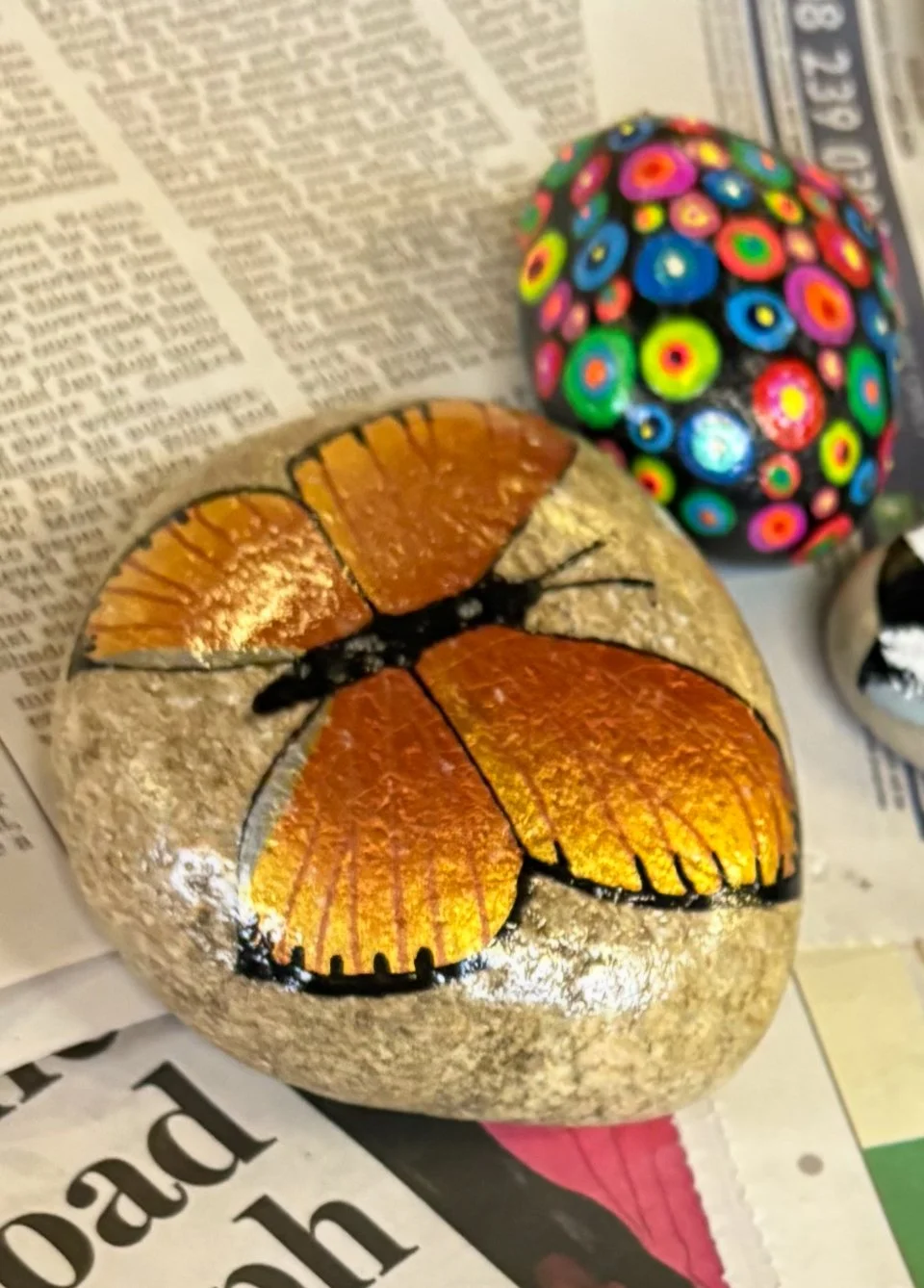
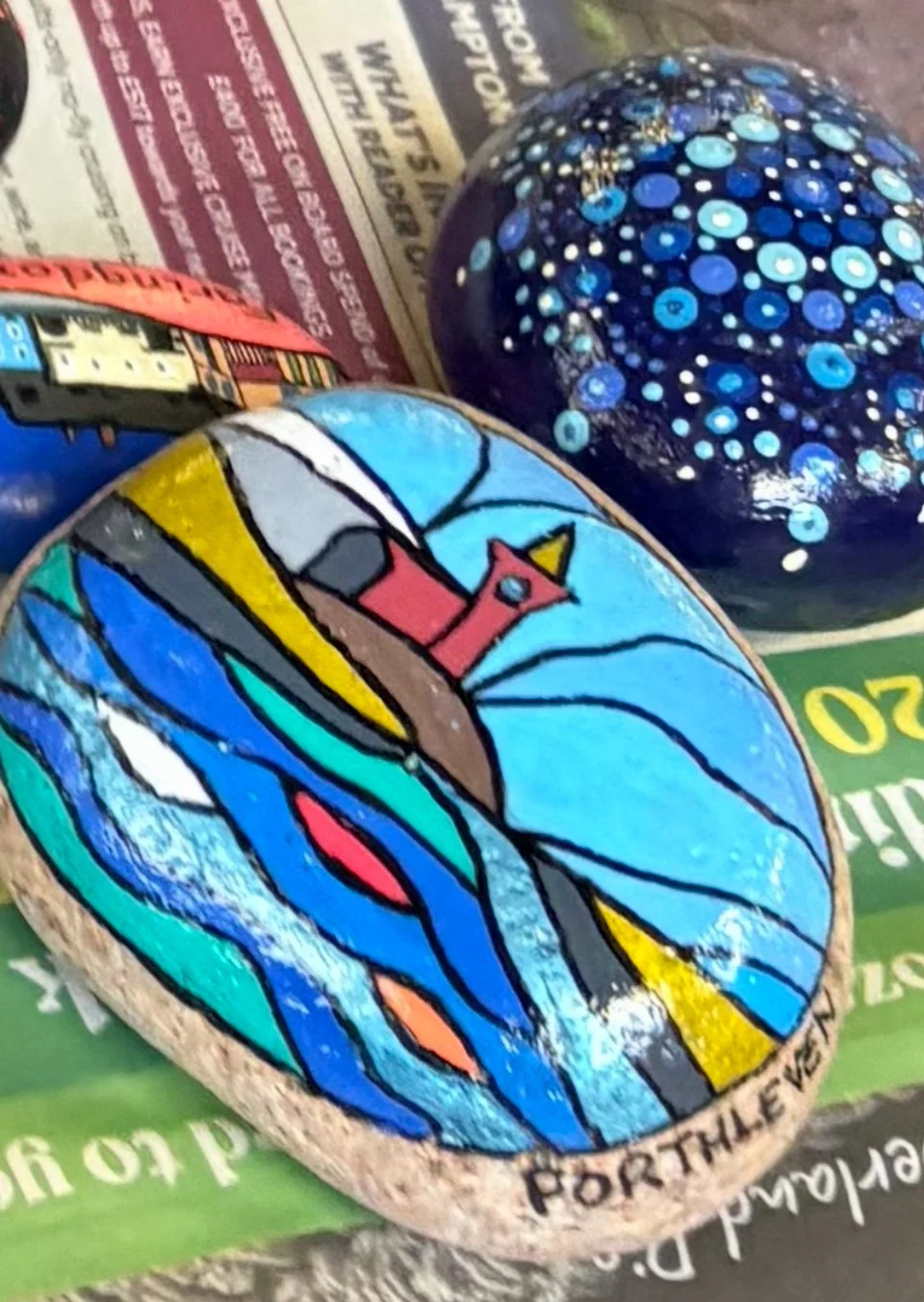
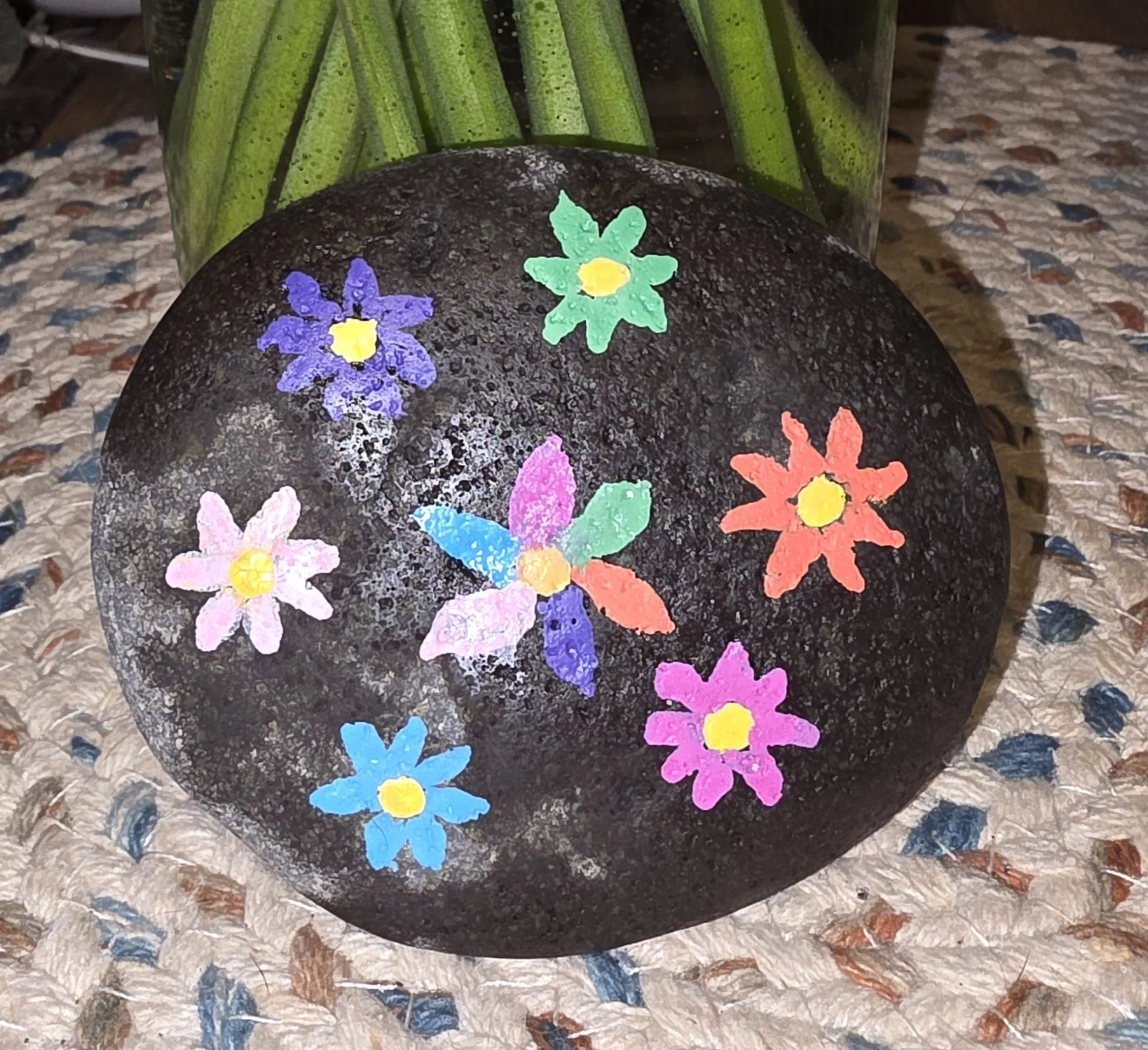
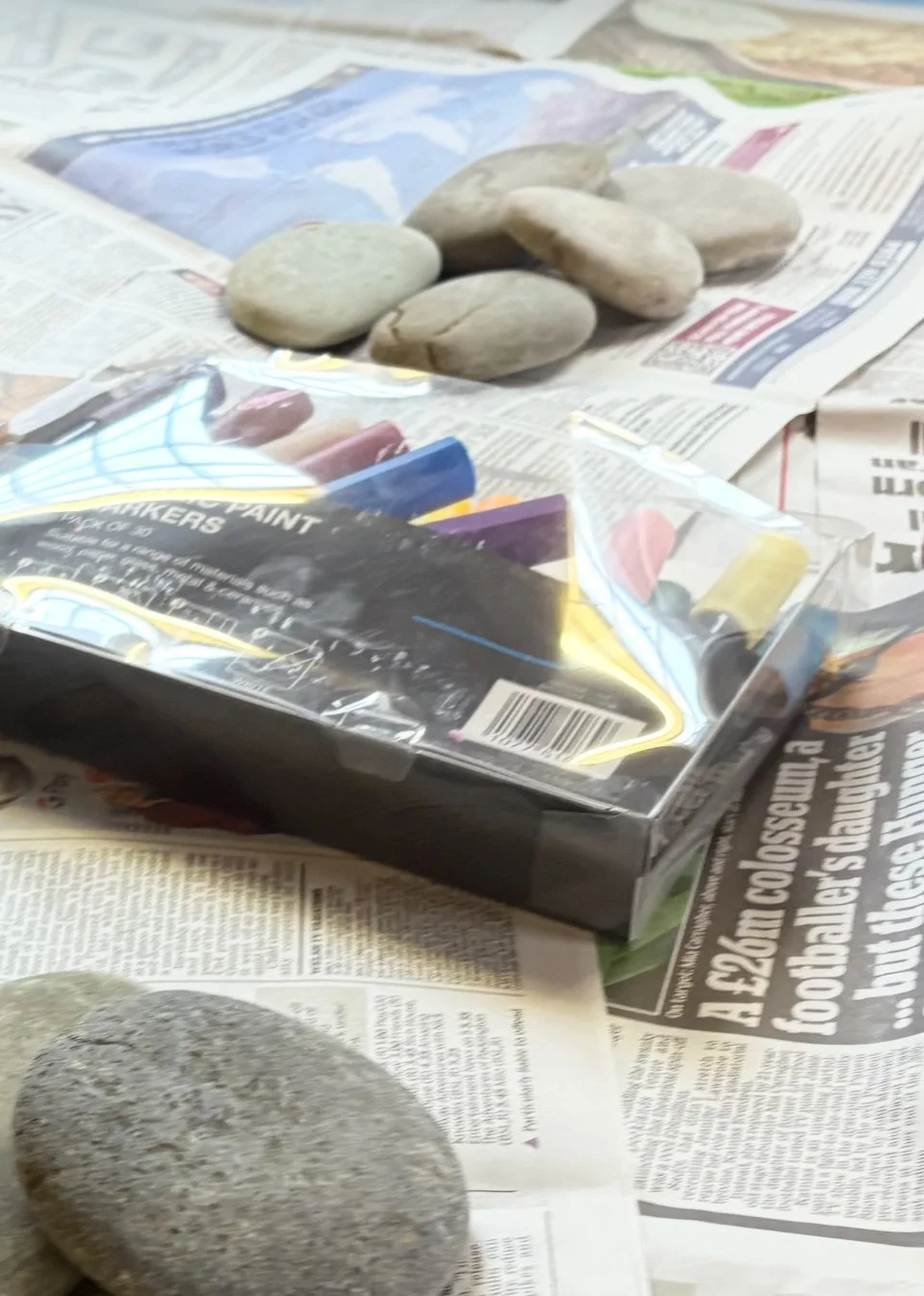
A local rock painter brought along examples of painted stones and shared simple techniques. There was no pressure to be artistic — just time to paint, chat, and enjoy the process.
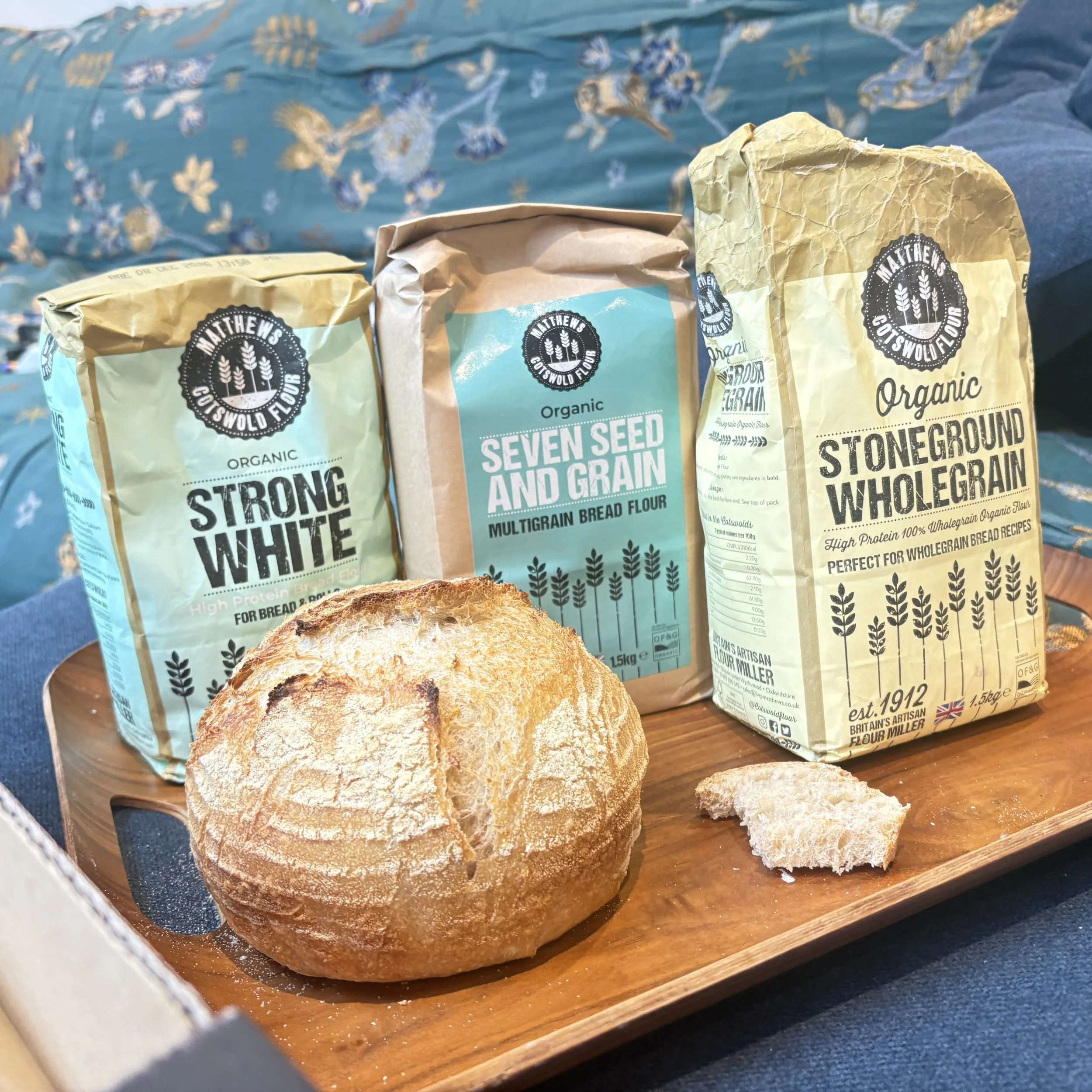
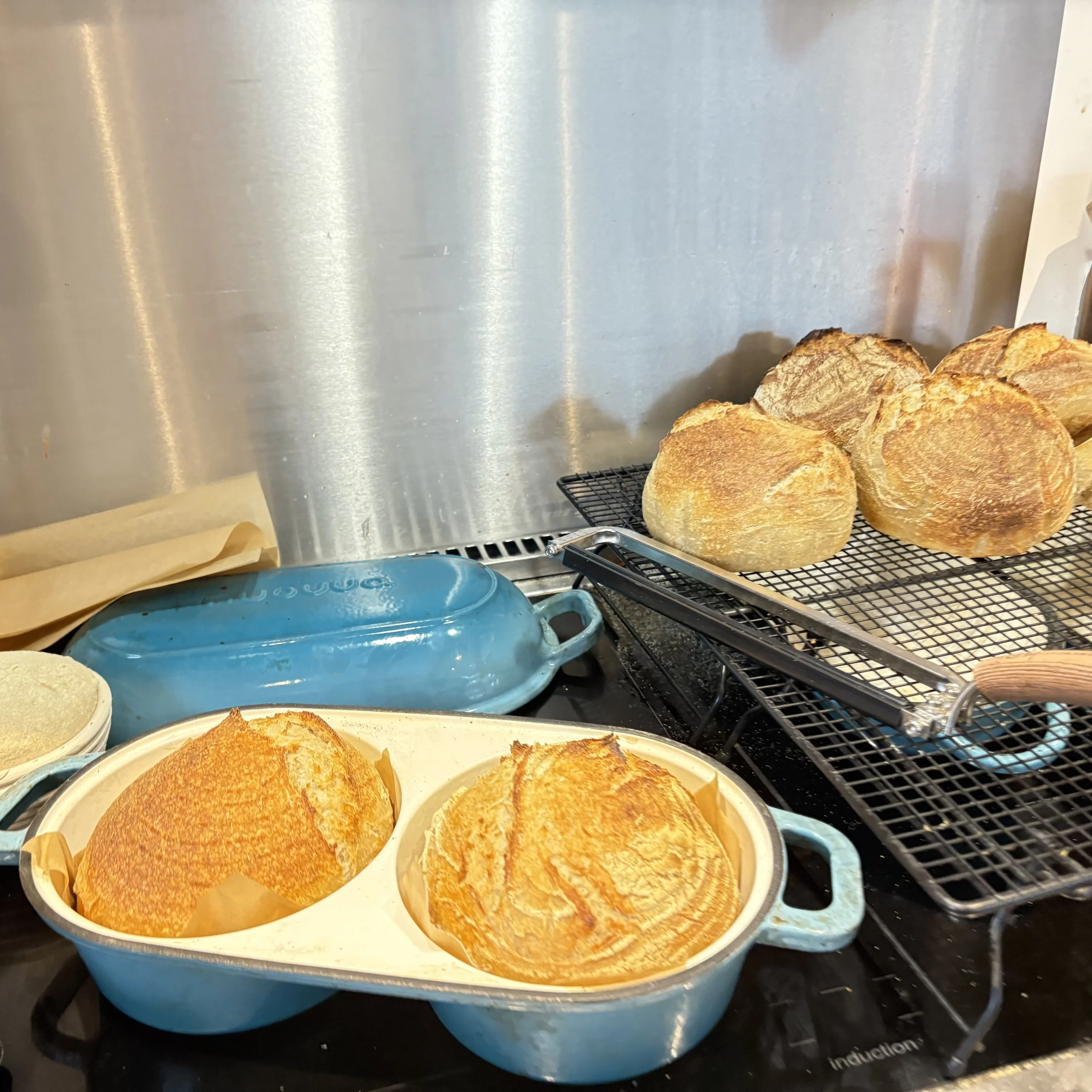
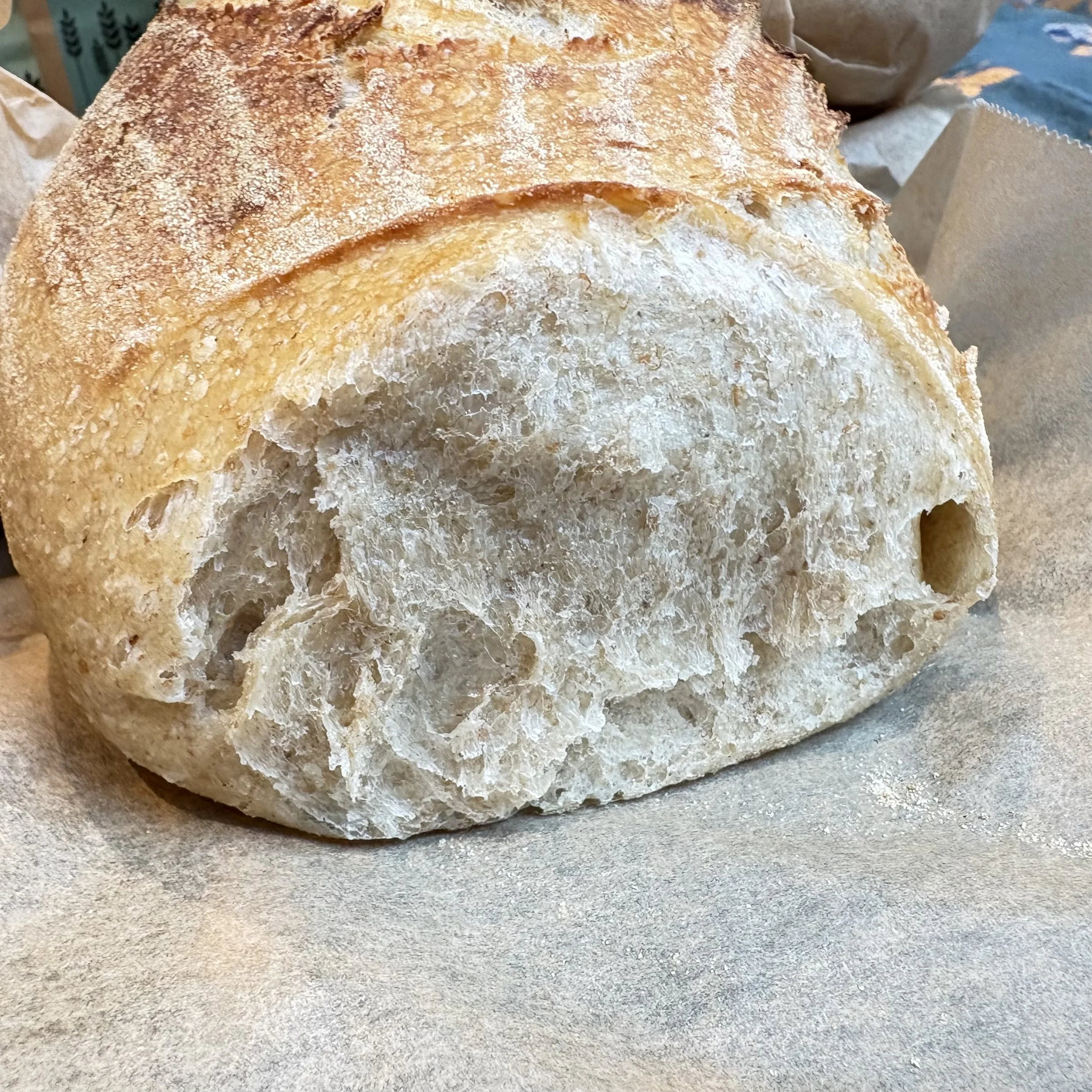
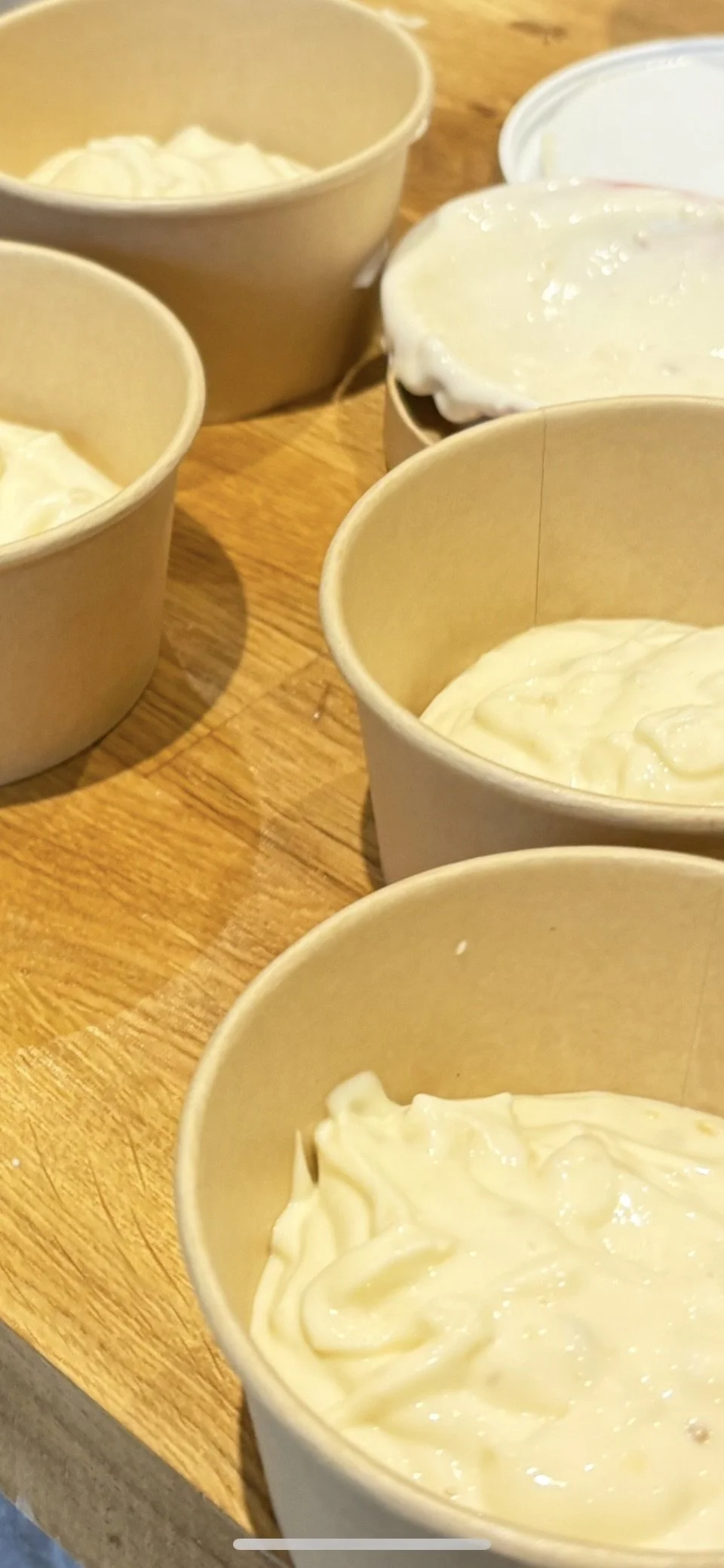
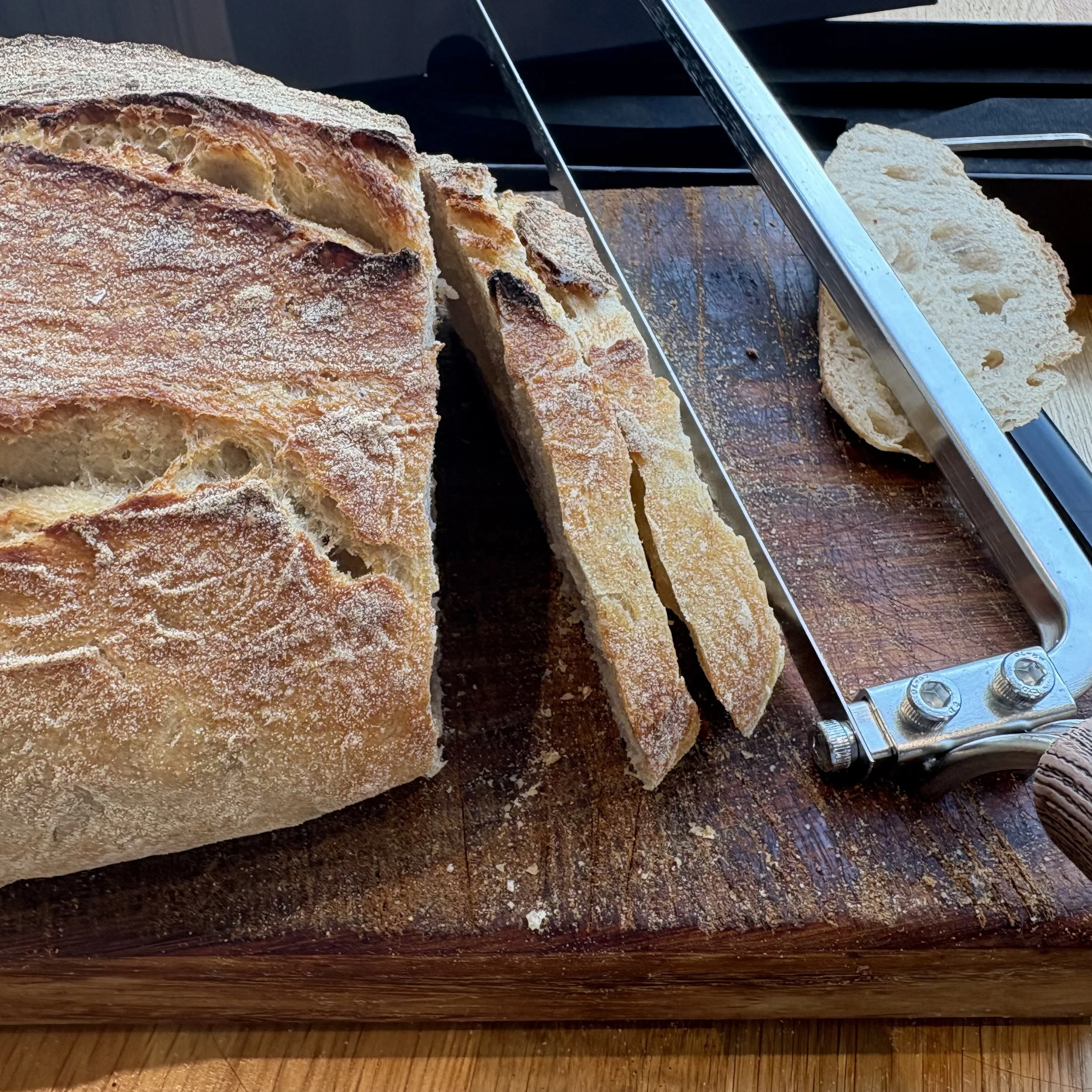
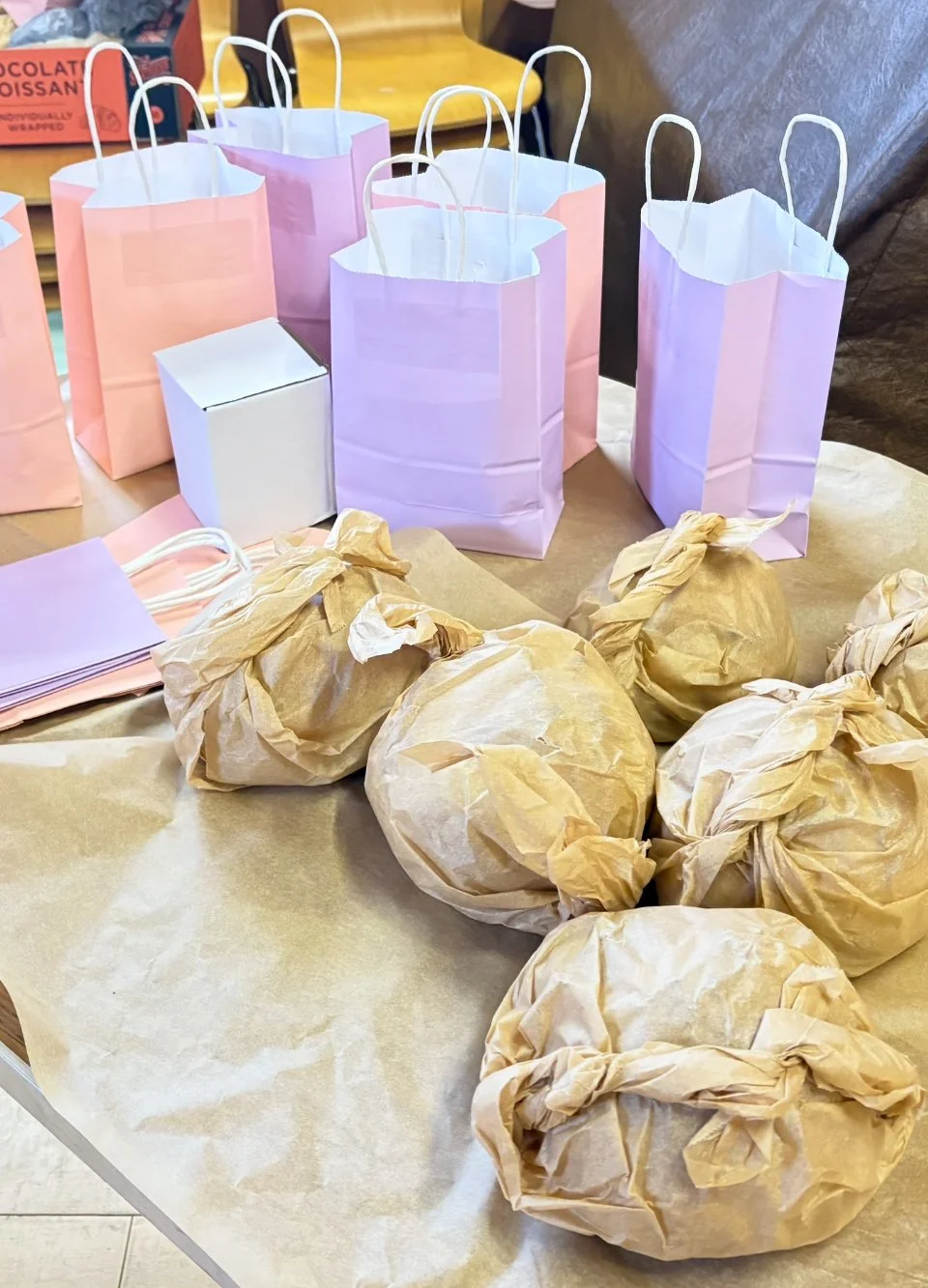
Alongside this, the group shared sourdough bread with aioli and balsamic oil dips. At the end, everyone took home a small goodie bag with a personal loaf and dip selections.
It wasn’t elaborate.
It was thoughtful.
And it mattered.
Why This Kind of Group Matter
What stood out most wasn’t the activities themselves, but what happened around them.
People talked openly.
Experiences were shared without needing explanation.
There was laughter, reassurance, and a sense of being understood
In a rural setting, where support can feel distant, community-led spaces like this can offer something deeply valuable: belonging.
They show how small, creative ideas — supported by health services but shaped by people themselves — can gently support wellbeing.